A permanent lighting system should make your home look finished, not make the mounting hardware part of the display. That is the real difference in aluminum tracks versus light clips. Both can hold lights along a roofline, but only one approach is designed to protect the wiring, maintain clean fixture spacing, and preserve the polished architectural look North Texas homeowners expect from a premium installation.
Light clips can seem like a small detail when you are focused on colors, app controls, and holiday scenes. After installation, though, the mounting method is one of the first things people notice from the street. It affects how straight the lights sit, how visible the wiring becomes, how well the system handles weather, and whether your roofline looks intentionally illuminated or simply decorated.
Aluminum Tracks Versus Light Clips at a Glance
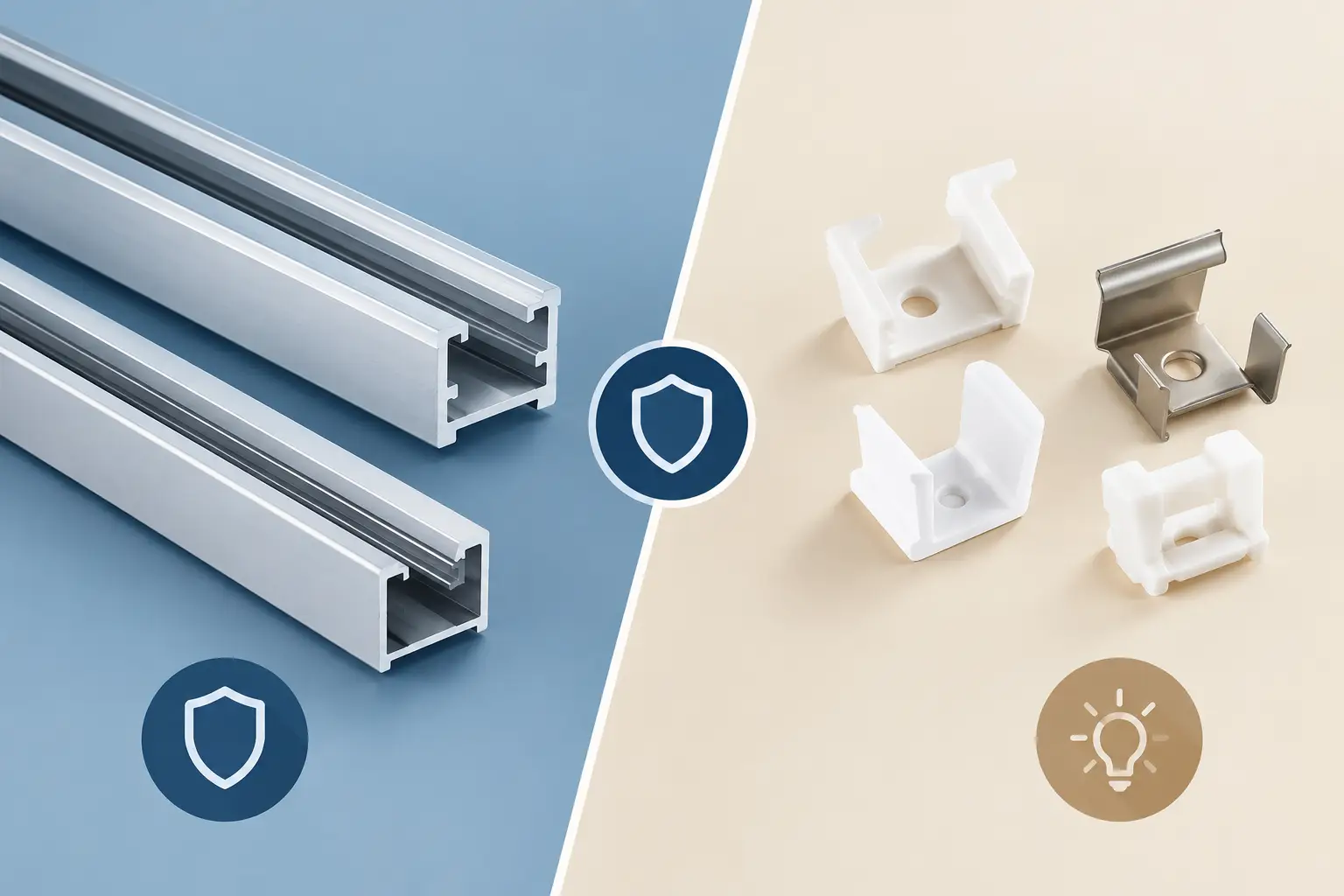
Aluminum tracks are rigid, color-matched channels installed along the soffit or roofline. Individual LED fixtures sit at precisely planned intervals inside the track, while the wiring is routed and protected behind the finished face. The result is a crisp line of light that blends into the architecture during the day and produces an even wash of color after dark.
Light clips are separate fasteners that attach each light or light segment to a surface. They are common with temporary holiday lighting and lower-cost permanent-lighting kits because they are inexpensive and quick to install. But each clip creates another visible attachment point, another opportunity for uneven spacing, and another place where a wire can sag or shift.
For a short seasonal display, clips can be a practical choice. For a permanent system intended to stay on your property for years, that convenience often becomes the compromise you see every day.
Why a Track Creates a Better-Looking Roofline
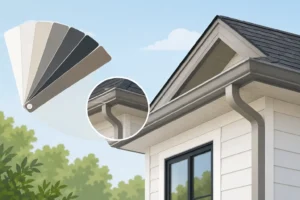
A luxury-grade permanent lighting system should disappear when it is off. Color-matched aluminum track helps it do exactly that. Whether your soffits are white, bronze, black, or another common finish, the track can be selected to complement the home instead of cutting across it with exposed cable and individual plastic mounts.
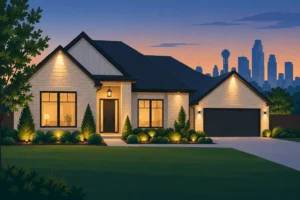
The track also establishes consistent spacing. Premium architectural lighting relies on fixture placement to create clean scallops and a balanced light pattern across the fascia, stone, brick, and entryway. If fixtures are unevenly spaced, the eye catches dark gaps, crowded areas, and inconsistent pools of light. That may not matter for a few weeks in December. It matters when the lights are part of your home every night of the year.
Clips leave more of the installation exposed. Even a careful installer must manage visible wire runs between mounting points, especially around corners, gables, returns, and transitions. In contrast, an aluminum channel gives the system a deliberate, built-in appearance. It looks like an architectural feature because it is installed as one.
Clean daytime appearance matters
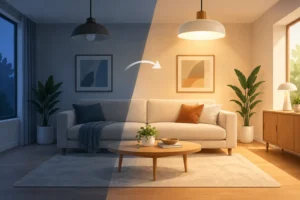
Permanent lighting earns its place through more than holiday colors. It supports warm white everyday accent lighting, game-day colors, birthday scenes, neighborhood celebrations, and added visibility around the property. Since it remains installed year-round, daytime appearance cannot be an afterthought.
Tracks keep the focus on the home. Clips can make the hardware easier to spot, particularly on light-colored soffits or highly visible front elevations. Homeowners who care about curb appeal usually prefer the option that looks tailored rather than attached afterward.
Protection From North Texas Weather and Wear
North Texas weather asks a lot of exterior materials. Summer heat, sudden storms, wind, dust, humidity, and seasonal temperature swings all put stress on lighting hardware. A permanent system needs more than a fixture that turns on. It needs an installation method that helps secure and protect every component behind that fixture.
Aluminum is a strong fit for exterior lighting tracks because it is lightweight, corrosion-resistant, and dimensionally stable. A professionally mounted track creates a continuous protective pathway for wiring and connection points. It reduces the chance of loose cable, accidental snags, and the gradual visual deterioration that can happen when exposed wire runs are held in place by individual clips.
Light clips are not automatically poor quality. Their limitations come from the job they are being asked to do. A clip-based system depends on many separate mounting points staying secure and aligned over time. If one clip loosens, a wire can droop. If a fixture shifts, spacing changes. If the mounting surface moves or weathers, the installation can start to look less precise even if the LEDs still work.
For commercial properties, the stakes are even higher. A restaurant, storefront, or locally recognized business needs lighting that supports its brand after hours. Loose-looking wires and irregular roofline spacing send the wrong message. A track-based system provides the clean, consistent presentation customers associate with a professionally maintained property.
The Installation Difference Is Not Just Cosmetic
Tracks require more planning, and that is a benefit. Before installation, a qualified contractor measures each roofline, identifies turns and transitions, accounts for power locations, and maps fixture spacing for the best beam pattern. Track sections are cut and fitted to the property rather than treated as generic pieces that happen to fit nearby.
That preparation is why track systems usually cost more than clip-mounted alternatives. You are paying for custom fit, protected wire routing, cleaner transitions, and a finished look that supports the value of the home or business. You are also paying to avoid a common disappointment: buying permanent lights only to discover they resemble temporary lights left up after the holidays.
At Starry Night Lights, installation is designed around the architecture first, then the technology. High-output RGBW fixtures, dedicated warm-white diodes, tightly controlled spacing, and app-based scenes perform best when the physical installation is equally intentional. The track is not an accessory. It is part of the system that makes premium lighting look premium.
Corners, peaks, and difficult rooflines
The best mounting choice can depend on the building. Deep soffits, complex peaks, decorative trim, stone facades, and unusual roofline transitions may require a custom approach. In some locations, a track may not be the right visual or structural solution, and a professional installer should explain why rather than force a one-size-fits-all layout.
Still, those exceptions do not make clips the better default. They reinforce the value of custom design. A contractor can use the appropriate mounting method in each area while keeping the full project cohesive, secure, and visually balanced.
Cost: What Are You Really Comparing?
Clips often win the first-price comparison. They use less material, take less fabrication, and can support a faster installation. That can be attractive if your goal is basic seasonal lighting or if you are choosing a consumer-grade system with a short expected service life.
A color-matched aluminum track costs more upfront because it adds material and skilled labor. Over the long term, it can deliver better value by protecting the installation, improving the home’s appearance, and reducing the likelihood that you will want to replace an exposed, uneven-looking setup before its LEDs have reached the end of their useful life.
The right question is not simply, “Which option is cheaper?” Ask, “Which option will I still be happy to see on my house five, ten, or fifteen years from now?” For property-proud homeowners and customer-facing businesses, that answer is usually the system built to look intentional from day one.
When Light Clips May Still Make Sense
There is a place for clips. They work well for traditional temporary Christmas lights that come down after the season, short-term event lighting, and modest displays where permanent wire concealment is not a priority. They can also be useful in limited areas where a track cannot be installed without compromising the property’s finish.
What clips do not offer is the same level of integration. They are a mounting solution, not a finished architectural system. If you want one-button holiday scenes in December, warm white curb appeal in March, team colors on Friday night, and a clean roofline every day between, tracks are generally the stronger investment.
A permanent lighting quote should show you more than a price per foot. Ask how wiring will be concealed, how fixtures will be spaced, what the system will look like during daylight, and how the installer will handle corners, power, and future support. The answer to those questions will tell you far more than the sales pitch.
Choose the mounting method that respects your property as much as the lighting itself. When the sun goes down, the colors should get the attention. When it comes back up, your roofline should still look like the best-looking house on the block.