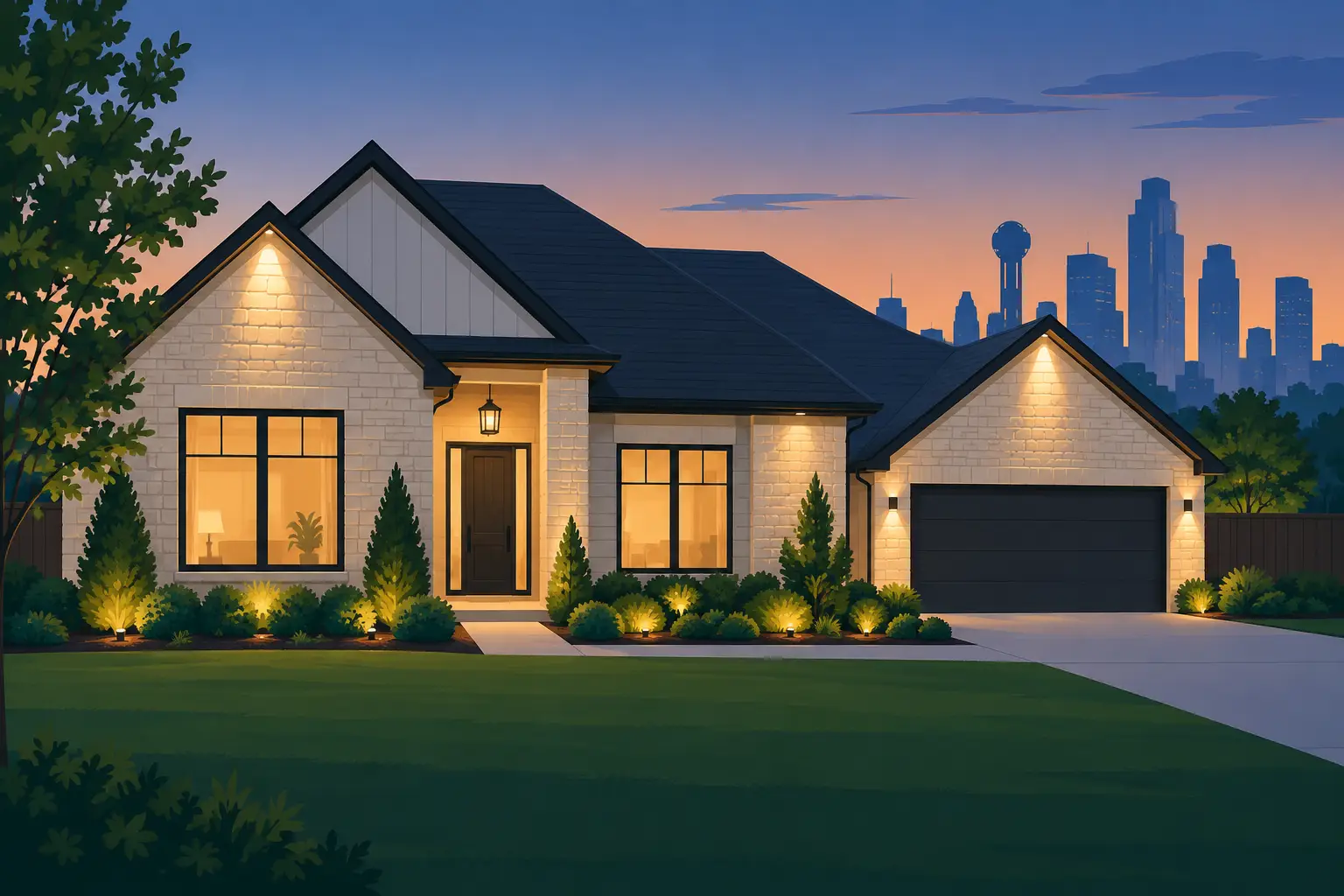
A great exterior does not disappear when the sun goes down. The right residential facade lighting guide starts with that simple idea: your home’s architecture, landscaping, entryway, and roofline deserve to look intentional at night, not dimly visible or harshly washed out by a few mismatched fixtures.
For North Texas homeowners, facade lighting is more than a holiday upgrade. It is a way to give your home a finished, luxury-grade presence every evening, then switch to festive color for Christmas, game day, birthdays, graduations, and backyard gatherings with a tap in an app. The result should look built into the house, not temporarily clipped onto it.
What Residential Facade Lighting Should Accomplish
Facade lighting is the intentional illumination of your home’s front-facing exterior. It can highlight the roofline, gables, stonework, columns, trim, entry, and other defining architectural details. The best systems do not simply make a house brighter. They create shape, depth, and a clean visual hierarchy.
A professionally designed permanent LED system usually serves several jobs at once. It gives the home a warm, welcoming appearance for everyday use. It improves visibility around approaches and entries. It supports seasonal displays without the annual ritual of hauling bins from the attic, testing strands, and climbing ladders. It can also make a property look more polished from the street, which matters whether you are welcoming guests or simply want the best-looking house on the block.
The trade-off is restraint. More light is not always better light. An overly bright system can flatten beautiful brick or stone, create glare for drivers and neighbors, and make a home feel commercial rather than refined. Good design is about putting light exactly where it belongs.
Start With the Architecture, Not a Color Preset
Every home has a different lighting story. A low, wide ranch home may benefit from a continuous roofline that emphasizes its horizontal profile. A two-story home with steep gables may need focused attention on peaks and dormers. Brick, stucco, painted siding, stone, and dark trim all reflect light differently.
Before choosing colors or animation patterns, look at the house from the street after dark. Identify the lines that make it recognizable: the primary roof edge, front gables, covered porch, garage outline, and entry. A custom design should reinforce these features rather than tracing every possible edge. Leaving some areas unlit often produces a more expensive-looking result.
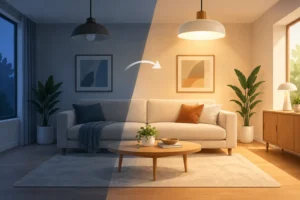
Color temperature matters for daily lighting. Warm white creates the classic, welcoming look most homeowners want for regular nights. This is where premium RGBW lighting earns its place. Systems with a separate warm-white diode can produce a clean, attractive white that feels natural against architecture. Basic RGB-only products mix red, green, and blue to imitate white, often creating a bluish, uneven result that looks more like a novelty display than permanent exterior lighting.
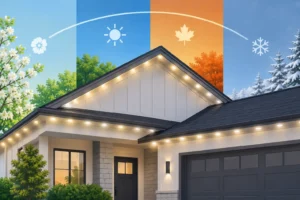
Use color when there is a reason to celebrate. Red, white, and blue for the Fourth of July, orange for fall, school colors on game night, or a favorite palette for a birthday can all look fantastic when the fixtures are bright, evenly spaced, and programmed with purpose. The home should still look elegant when the celebration is over.
Choose Fixtures That Look Invisible by Day
Permanent lighting has to pass two tests: it must impress at night and disappear into the architecture during the day. That is why the track, wiring, mounting method, and fixture spacing matter as much as the controller app.
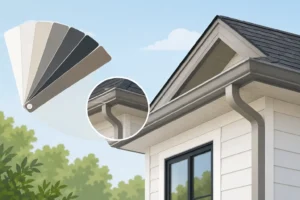
A luxury-grade installation uses color-matched aluminum tracks fitted tightly to the roofline or soffit. The track conceals wiring, creates straight lines, and protects the system from the elements. On a home with dark soffits, black components should not be visibly competing with the finish. On a light-trimmed home, exposed dark wire and plastic clips should not become part of the exterior design.
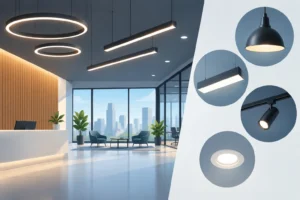
Tightly spaced fixtures also make a visible difference. Widely spaced lights can create separate dots on the ground or uneven scallops across the facade. Proper spacing produces a more continuous wash of light, especially on taller homes, stone elevations, and broad garage faces. It costs more to build a dense, precise system, but it is one reason professionally installed lighting looks dramatically better than a DIY kit from across the street.
High-output LEDs are equally important. A system may offer millions of colors on paper, but low-output diodes lose impact at a distance and can look weak against North Texas brick, stone, and large rooflines. Brightness should be strong enough to define the architecture, while dimming controls allow it to remain comfortable for normal evenings.
Plan for Texas Weather and Long-Term Ownership
North Texas exterior lighting faces intense sun, heat, wind, heavy rain, and rapid temperature changes. A permanent system cannot be treated like a temporary string-light project. Components need to be selected and installed with electrical safety, water management, and long-term service in mind.
Ask how the system is powered, how connections are protected, and whether the installation follows applicable electrical codes. Higher-voltage systems can provide better efficiency and consistency over longer runs than low-voltage consumer products, particularly on larger homes with multiple peaks and architectural transitions. Proper planning also reduces voltage drop, so the first light and the last light maintain a consistent appearance.
Warranty language deserves a close look. Some products market a long lifespan while offering limited support when a controller, light, or connection fails. A meaningful protection plan should be paired with local installation expertise and responsive service. You are not buying a box of lights. You are investing in an integrated exterior system that should be supported for years.
This is also where contractor workmanship matters. Clean cable routing, correctly secured tracks, weather-protected connections, and thoughtful power placement are not glamorous details, but they determine whether the system stays attractive and reliable. Starry Night Lights designs these elements around the home instead of asking the home to fit a prepackaged kit.
Make the System Easy Enough to Use Every Day
The best permanent lighting system is one you actually enjoy using. App control should make it simple to set a warm-white nightly schedule, build holiday scenes, adjust brightness, and save favorites for family events. It should not require a complicated programming session every time you want to change from everyday elegance to Friday night football colors.
Automation is especially valuable when life gets busy. Schedule lights to come on at dusk and turn off at a reasonable hour. Create a subtle evening scene for daily curb appeal, then reserve bright color movement for holidays and celebrations. If you are traveling, a consistent exterior lighting schedule can also help the property look occupied and cared for.
There is a neighborly side to smart control, too. A high-energy Christmas scene may be perfect for a weekend party, while a lower-brightness, slower setting is better for a weeknight. Premium lighting gives you the flexibility to match the moment instead of leaving the house stuck in one mode.
Questions to Ask Before You Approve a Design
A quote should explain more than the total price. It should show where the lighting will run, what visual effect is intended, and how the system will be concealed and powered. If a contractor cannot explain why certain rooflines are included or omitted, the design may be based on a generic layout rather than your home.
Ask whether the system uses dedicated warm-white diodes, color-matched track, concealed wiring, high-output LEDs, and professionally protected electrical connections. Ask about fixture spacing, controller capability, warranty coverage, and what support looks like after installation. You should also ask who will install the system and whether they will walk you through app setup before the job is complete.
Price matters, but a low initial quote can become expensive when it delivers dim fixtures, exposed wiring, weak white light, or a product with no reliable local support. Permanent facade lighting should be evaluated like any visible home improvement: by materials, craftsmanship, expected lifespan, and how it will look from the curb every single day.
Your home already has the architecture. The right lighting simply gives it a chance to be seen – warmly, beautifully, and on your terms – long after daylight is gone.