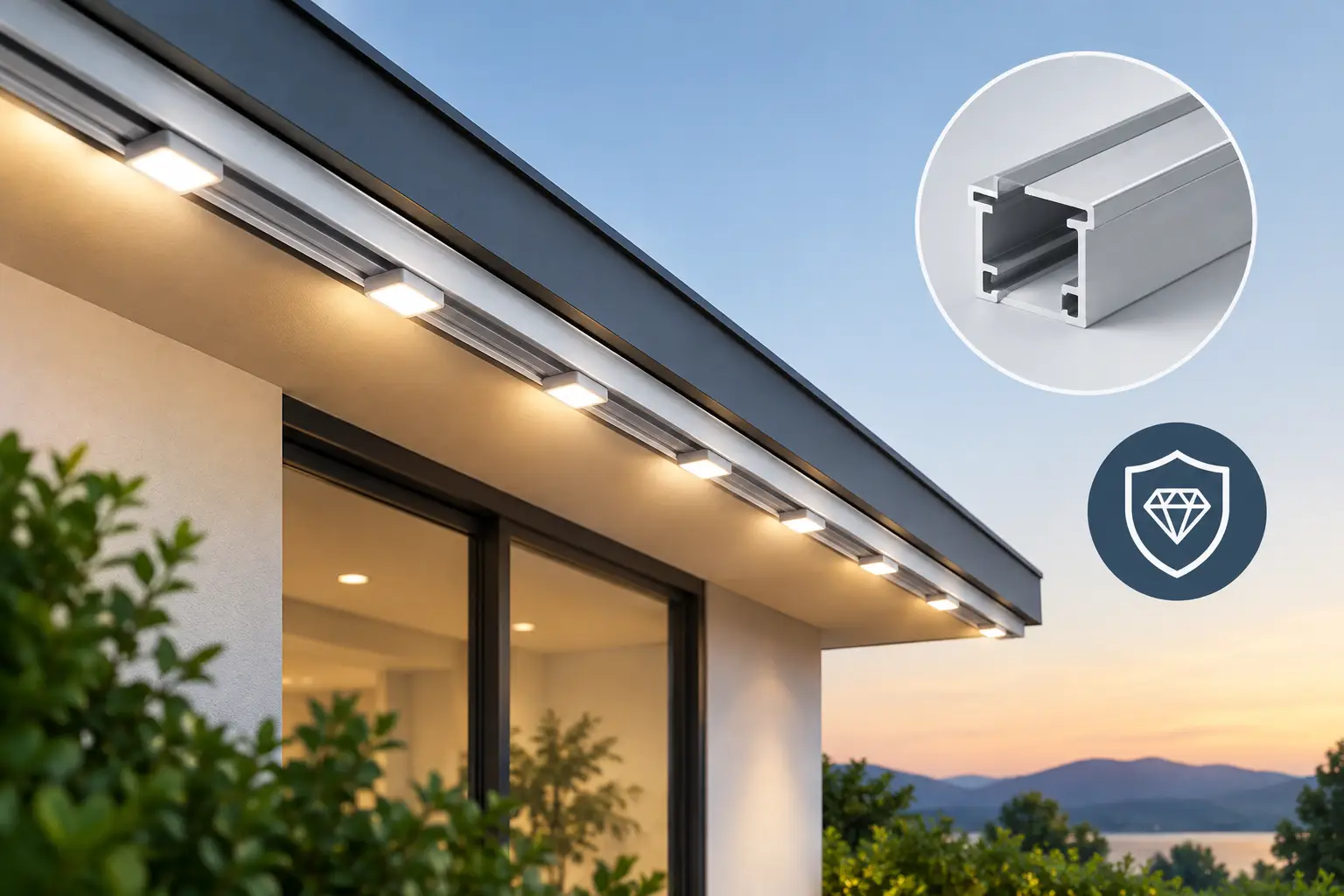
A permanent lighting system should make your home look finished, not look like another device attached to it. That is where aluminum track durability matters. The track is the color-matched architectural channel that holds each light in place, conceals the wiring, and creates the clean roofline effect homeowners expect from a luxury-grade installation.
For North Texas homes and businesses, that channel has a demanding job. It sits outside through triple-digit summer heat, hard rain, high winds, sudden temperature swings, and the occasional hailstorm. A thin, poorly installed plastic channel may look acceptable on day one. Years later, it can fade, sag, crack, pull away, or leave a visible line of exposed wire beneath the eaves.
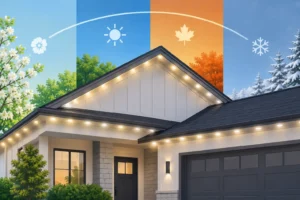
Premium permanent lighting is meant to be part of the property for the long haul. The right aluminum track helps it stay that way while keeping your house ready for Christmas, game day, birthdays, backyard parties, warm-white accent lighting, and a little extra nighttime presence with one tap in the app.
Why Aluminum Track Durability Changes the Whole System
The LEDs get most of the attention, and they should. Bright output, tightly spaced fixtures, dedicated warm-white diodes, and accurate color control all shape what people see after dark. But the track determines whether those lights remain straight, protected, and visually intentional over time.
Aluminum is a strong choice for exterior lighting channels because it holds its form better than many low-cost alternatives. A properly selected aluminum track resists the bowing and warping that can happen when materials repeatedly heat up in direct sun and then cool down overnight. That stiffness matters on long roofline runs, where even a small amount of sag can make a premium system look uneven.
It also gives the installation a more integrated appearance. Instead of seeing individual cords or loosely mounted pucks, you see a crisp, tailored line that follows the fascia, soffit, or architectural detail of the home. When the track is color-matched to the structure, it fades into the roofline during the day and lets the lighting take center stage at night.
That does not mean every aluminum channel performs the same. Metal thickness, finish quality, track design, mounting method, and the installer’s attention to expansion all affect long-term performance. “Aluminum” on a product description is not a shortcut to quality.
North Texas Weather Tests Every Exterior Component
A lighting system in Forney and the surrounding area needs more than a pretty first-season appearance. Sun exposure alone can punish exterior materials. Dark-colored rooflines absorb heat, and enclosed channels can become much hotter than the air temperature. Inferior plastics may become brittle over time, while flimsy tracks can distort enough to affect light alignment.
Rain presents a different challenge. Permanent lighting tracks should be installed with thoughtful routing and secure connections so water does not collect where it should not. The track is not a substitute for proper weather-rated electrical components, sealed connections, and code-compliant installation. It is one layer of protection in a complete exterior system.
Wind matters, too. During a strong storm, every section of track and every fastener is tested. A contractor-installed system should be anchored consistently along the roofline, with installation choices based on the home’s material and geometry. Fastening into the wrong surface, spacing fasteners too far apart, or forcing a straight channel across an uneven section can create problems that do not become obvious until a season of weather has passed.
Hail is the trade-off no material can completely erase. Aluminum can dent under a sufficiently severe impact, just as gutters, fascia, and other exterior finishes can be damaged. The advantage is that a quality track is designed for outdoor service and, when professionally installed, is part of a system with knowledgeable local support rather than a disposable DIY kit with no one to call.
Heat Expansion Is Normal, Poor Installation Is Not
Aluminum expands and contracts as temperatures change. That is basic material behavior, not a defect. The quality difference lies in whether the system accounts for it.
Professional installers plan track sections, transitions, corners, and mounting points so the material can perform naturally without buckling or creating unsightly gaps. This is especially important on long, sun-facing runs. A clean installation is not simply about getting the lights turned on. It is about giving every component room to live outdoors for years.
The Finish Matters as Much as the Metal
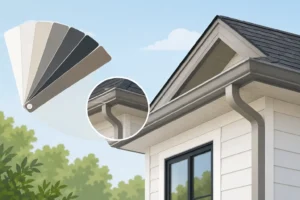
An aluminum track can be structurally sound and still disappoint if its finish fades, chips, or clashes with the home. Premium systems use color-matched tracks to complement common roofline colors and create a built-in appearance. The goal is simple: people should notice the glow, not the hardware.
A quality finish also helps the channel stand up to moisture, UV exposure, and ordinary exterior cleaning. North Texas dust, pollen, and seasonal debris are part of life. Homeowners should be able to keep the roofline looking sharp without worrying that a gentle cleaning will reveal a cheap-looking surface underneath.
Color matching is one reason custom design matters. A one-size-fits-all kit cannot account for every trim color, roof pitch, masonry detail, or transition from fascia to soffit. On a property that has been carefully maintained, a near-match is not always good enough. Don’t settle for a lighting system that makes the best-looking house on the block look like it was assembled from leftover parts.
Aluminum Track Durability Depends on Workmanship
Even the best track can be undermined by rushed installation. A professional crew starts by evaluating where the lights will sit for the strongest visual effect and the cleanest daytime appearance. That assessment includes roofline condition, available mounting surfaces, drainage considerations, electrical access, and how each run will connect to the controller.
The track should follow the architecture with consistent placement. Fixtures need even spacing so colors and warm white look smooth across the eaves. Wiring should remain concealed and protected rather than draped, pinched, or exposed to ultraviolet light. Corners and transitions should look deliberate, not improvised.
This is where contractor-led installation earns its value. Homeowners do not need to climb ladders, calculate electrical loads, drill into exterior surfaces, or troubleshoot why one segment of a DIY system has shifted after a storm. They get a lighting design fitted to their home, installed by people who understand the product and remain available after installation.
For commercial properties, the stakes are even higher. A restaurant, storefront, or highly visible local business needs consistent curb appeal after dark. Crooked runs, dim fixtures, and exposed wiring do not support a polished brand. Durable aluminum track helps maintain a professional roofline that can shift from everyday architectural lighting to holiday colors, school spirit, promotions, and community events.
What to Ask Before You Choose a Permanent Lighting System
Ask what the track is made of, how it is finished, and how it will be mounted to your specific property. Ask whether the wiring is concealed, whether the lights are spaced for a continuous visual effect, and what support is available if a component needs attention years from now.
It is also smart to ask about the complete system rather than judging a product by a single feature. A durable track cannot compensate for weak light output, crowded color-only LEDs that produce poor white, low-quality controllers, or electrical components that are not designed for professional exterior use. Likewise, bright LEDs cannot rescue an installation whose channels are visibly sagging or mismatched to the home.
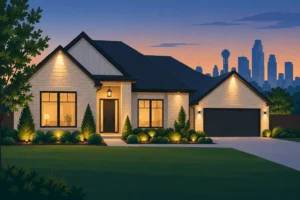
At Starry Night Lights, permanent lighting is designed as a complete architectural upgrade: high-output RGBW LEDs, dedicated warm white, concealed wiring, color-matched aluminum tracks, app control, and professional local service. The result is lighting that feels celebratory when you want it to and refined when you do not.
Your roofline already defines how your property is seen from the street. Choose a permanent lighting system with a track built to protect that investment, then enjoy the freedom to make it shine whenever the occasion calls for it.