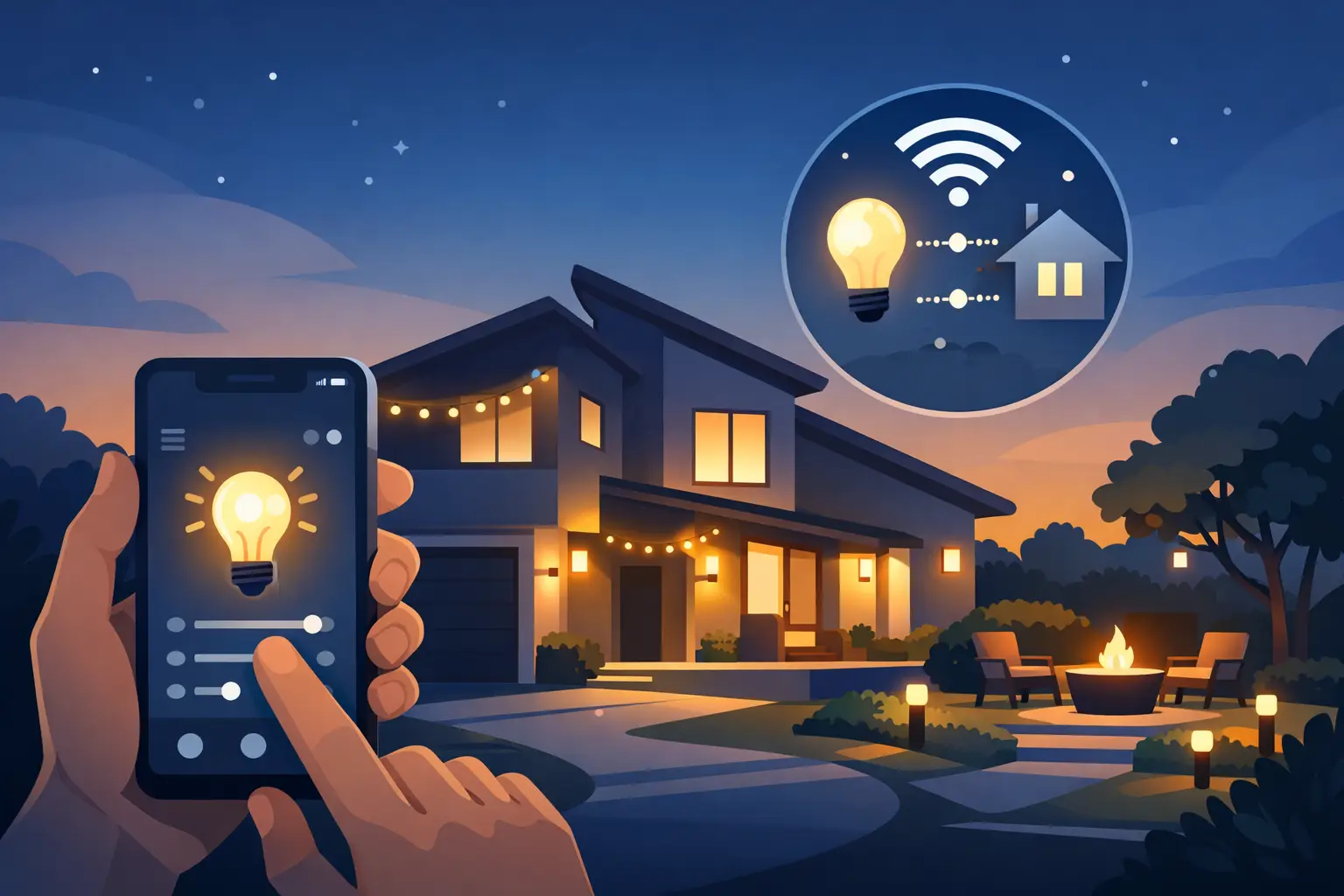
The ladder comes out, the tangled bins appear, and a Saturday disappears into hanging temporary lights that may not survive the first North Texas storm. App controlled outdoor house lights replace that routine with a permanent, polished lighting system that is ready for Christmas, game day, birthdays, patio nights, and every ordinary evening in between.
For a property-proud homeowner, the appeal is bigger than changing colors from a phone. The right system makes the roofline look intentional after dark: a crisp, even line of warm white light when you want understated elegance, then vivid color when the occasion calls for it. The wrong system can leave visible wires, dim dots, uneven spacing, and a roofline that looks more like a DIY project than a home upgrade.
What App Controlled Outdoor House Lights Should Deliver
An app is the convenient part of permanent lighting. It should not be the reason you choose the system. A premium installation starts with the light quality, construction, electrical design, and fit to your architecture. The app simply puts all of that capability in your hand.
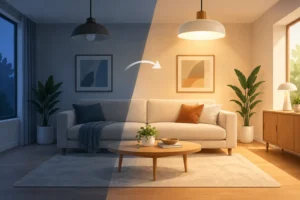
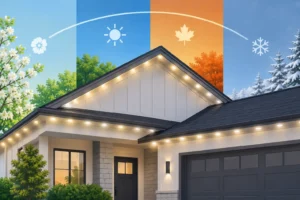
With professionally installed permanent roofline lighting, you can select colors, save favorite scenes, set schedules, and activate a display without going outside. One evening might call for soft warm white light that complements brick, stone, and landscaping. The next may call for red, white, and blue for a summer holiday, school colors for a playoff game, or a customized birthday scene before guests arrive.
That convenience matters because permanent lighting earns its place by being used beyond December. A system that stays off for eleven months is an expensive seasonal decoration. A well-designed app-controlled system becomes part of how your property looks and functions throughout the year.
For businesses, the same control creates practical value. A restaurant, storefront, or locally recognized commercial building can maintain a welcoming warm-white profile most nights, then join community celebrations, show team spirit, or support a seasonal promotion in minutes. The building remains recognizable after dark without requiring a staff member to climb a ladder or manage temporary strings.
Bright Color Is Not the Same as Beautiful Light
Many homeowners first compare permanent lighting systems by asking how many colors they offer. Nearly every RGB light can produce a long menu of colors. The more useful question is how the lights look when you want classic white.
Lower-grade RGB-only LEDs create white by blending red, green, and blue. The result can appear cool, bluish, or slightly washed out. That may be acceptable for a novelty display, but it does not deliver the warm, inviting glow people expect from a beautifully lit home.
Luxury-grade systems use RGBW LEDs with a separate warm-white diode. That dedicated diode produces a richer white light for everyday curb appeal while preserving full-color capability for celebrations. It is a meaningful distinction: warm white is often the scene a homeowner uses most, not an occasional setting.
Brightness and beam quality matter just as much. A faint line of dots disappears from the street and can look underwhelming against a large two-story elevation. Higher-output LEDs create a clear, visible roofline without requiring oversized fixtures or an overly harsh effect. Closely spaced lights also help produce a more continuous, professionally finished visual line, especially around peaks, dormers, and long eaves.
There is a balance to protect. More brightness is not automatically better if the installation is poorly aimed or the spacing does not suit the home. The goal is visible architectural definition from the street, not a glare that overwhelms the facade. Custom design is what makes that balance possible.
Why Professional Installation Changes the Result
Permanent lighting is only as convincing as its daytime appearance. If you can see exposed cable runs, plastic clips, mismatched channels, or hanging fixtures from the driveway, the installation undercuts the investment before the lights even turn on.
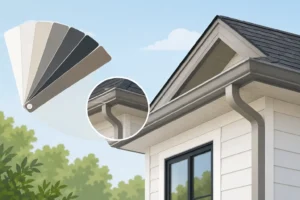
A contractor-installed system is built around the structure rather than adapted to it. Color-matched aluminum tracks are fitted along the roofline to conceal wiring and hold each fixture at a consistent position. The track should complement the soffit or fascia so the system stays discreet in daylight and impressive at night.
This is also where custom work separates a lasting system from a quick install. Rooflines are rarely simple. They include corners, varying pitch, gables, returns, porches, and architectural transitions that need clean treatment. Proper measurements, thoughtful fixture placement, and concealed connections create the sharp lines homeowners expect from a premium exterior upgrade.
Electrical design deserves the same level of care. Professional-grade permanent lighting systems use efficient, appropriately designed power delivery and code-compliant components. That helps support reliable output across longer runs while reducing the compromises often found in consumer plug-in products. A contractor should also account for controller placement, access to power, and how the system will be serviced years from now.
North Texas weather adds another reason not to settle. Summer heat, wind-driven rain, temperature swings, and storms test every exterior component. Tracks, wiring, connections, controllers, and LEDs need to be selected and installed for long-term exposure. A low upfront price loses its appeal quickly when sections fail, colors stop matching, or the system becomes difficult to repair.
The App Experience Should Be Easy, Not Another Project
The best lighting app feels simple because the complicated work was handled before you received it. After installation, you should be able to choose a scene, adjust brightness, build a schedule, and save favorites without learning electrical terminology or programming logic.
Useful scenes are usually practical ones. Warm white can run on an evening schedule for daily curb appeal and added visibility near entrances. Holiday scenes can be saved in advance rather than recreated every year. You can set a more subtle look for a dinner on the patio and a higher-energy color pattern for a family celebration.
Scheduling is especially valuable for homeowners who travel, arrive home after dark, or simply do not want to think about operating outdoor lights every night. Timers create consistency while still giving you the freedom to make a quick change from your phone.
Still, app control has a trade-off worth acknowledging: smart features depend on a properly configured controller and home network. That is why installation support matters. A professional team should help with initial setup, show you the core controls, and remain available if you change routers, have a question about scenes, or need service. Technology is only convenient when there is someone accountable for it.
Design for Everyday Curb Appeal First
Holiday color gets attention, but everyday design is what makes permanent lighting a smart property investment. Before choosing animated scenes or seasonal combinations, consider how your home should look on a normal Thursday night.
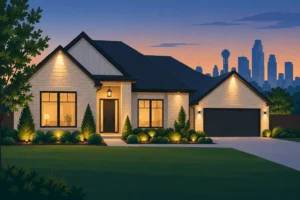
Warm white lighting can highlight the clean geometry of a roofline, frame the front elevation, and give your home a finished appearance after sunset. It also makes entrances and walk-up areas feel more welcoming. For homes set back from the street or located in darker neighborhoods, that added definition can improve the sense of visibility without installing floodlights across the facade.
Color then becomes the bonus. You can celebrate the season without hauling out bins. You can mark a birthday with a favorite color, support a local team, or create a festive backdrop for a backyard gathering. When the occasion passes, the house returns to its refined warm-white setting with one tap.
Starry Night Lights approaches permanent lighting as a custom architectural feature, not a string-light substitute. That distinction protects the appearance of your home, the reliability of the system, and the value of having a local professional available after installation.
Questions to Ask Before You Buy
Not every permanent lighting quote represents the same product or level of workmanship. Ask whether the fixtures include separate warm-white diodes, how far apart the lights are spaced, and whether the stated brightness will be visible from the street. Ask how wiring is concealed and whether color-matched aluminum track is included.
You should also ask about electrical components, weather resistance, warranty coverage, and long-term service. A broad warranty statement is not enough if no one can explain what happens when a controller, section of wiring, or individual light needs attention. Domestic product support and a contractor who stands behind the work can matter more than a small difference in the initial price.
Finally, look at the design process. A quality provider should evaluate your specific roofline and discuss how you plan to use the lights. A home that mainly needs elegant nightly illumination may be designed differently than a property built around large holiday displays, frequent entertaining, or prominent visibility from a busy road.
The best permanent lighting system is not the one with the longest color list. It is the one that looks exceptional in warm white, disappears into the architecture by day, performs when North Texas weather turns rough, and lets you celebrate whenever the moment calls for it.